ASRO Industries manufactures HDPE pipes for water supply and agriculture, including premium ISI confirming ranges (IS 4984) in PE63, PE80, and PE100 grades from our Maharashtra plants.
Polyethylene (PE) is one of the most durable and time-tested materials in the polymer industry. Renowned for its exceptional lifespan and resistance to extreme weather conditions, PE can last up to 100 years or more under ideal circumstances. These outstanding qualities are fully harnessed in HDPE pipes — especially when manufactured using 100% virgin PE granules.
At ASRO, we take pride in manufacturing, distributing, and supplying HDPE Pipes that meet the highest quality standards. Our ASRO Premium HDPE Pipes are a benchmark in reliability and performance — often compared to the purity and value of 24-carat gold.
Just as gold comes in 24-carat and 22-carat variants, ASRO offers carefully crafted product ranges: Premium Series for unmatched quality and longevity, Standard Series for economical solutions without compromising durability, and ECO Series for affordable temporary-use applications. With ASRO, you can trust that every pipe is built to perform and made to last.
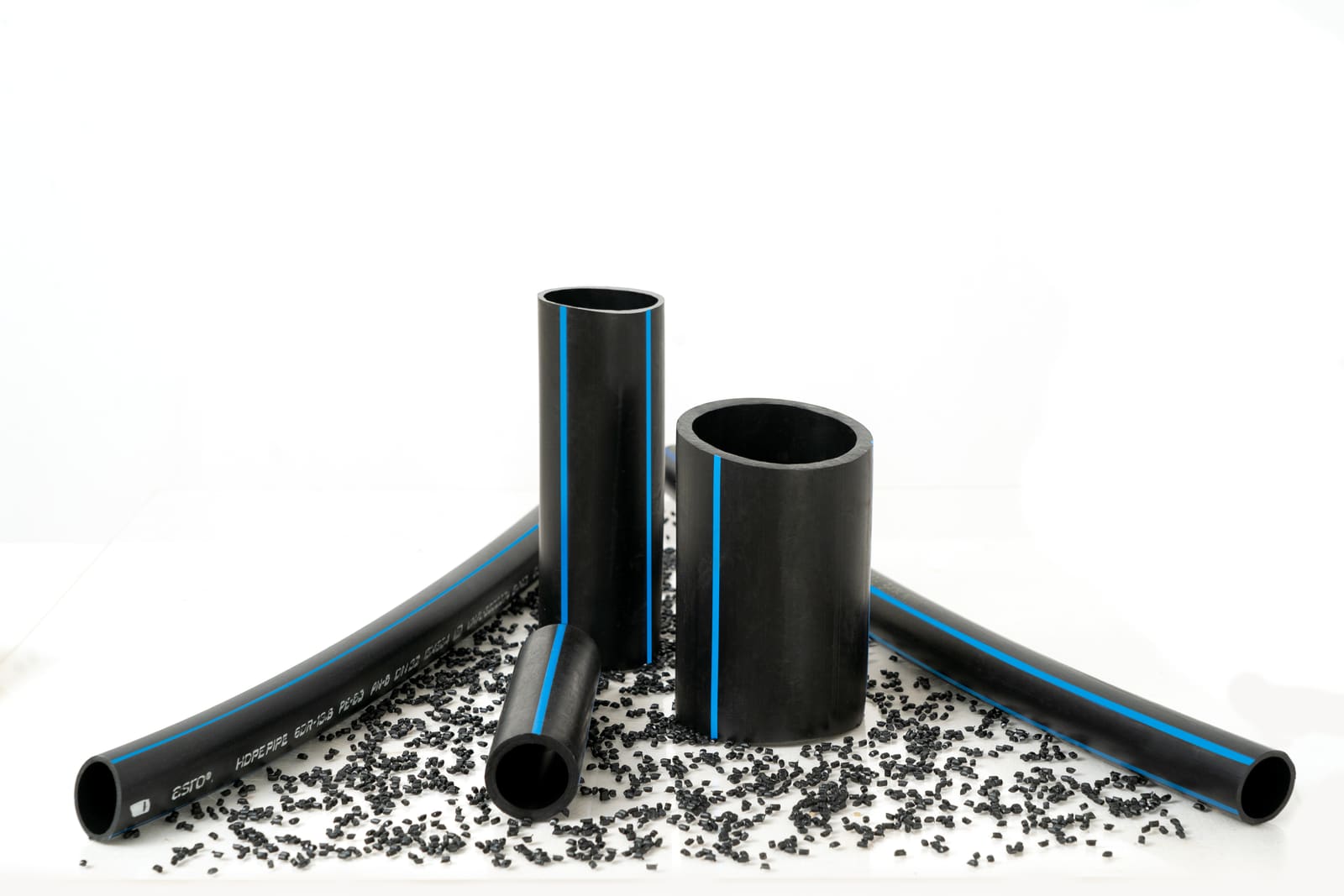
| Standard | ISI confirming to IS 4984:2016 |
| Grades | PE63 / PE80 / PE100 |
| SDR Range | 41, 33, 26, 21, 17, 13.6, 11, 9, 7.4 |
| Pressure | 2.5 to 16 kg (series dependent) |
| Sizes | 20 mm to 250 mm |
| Max Fluid Temp | Up to 60°C (PERT recommended above) |
Swipe the table sideways to see all columns →
| Heading | HDPE Pipe | PVC Pipe |
|---|---|---|
| Material | PE pipes are made from a thermoplastic material derived through the polymerization of ethylene, making them versatile and durable. | PVC, the world's third-most widely produced synthetic polymer, is another essential material in plastic piping applications. |
| Flexibility | PE pipes are more flexible than PVC pipes, capable of being bent to a radius of 30 times their nominal diameter. This flexibility often reduces the need for fittings. | While PVC pipes can also be bent to some extent, sharp bends should be approached with caution to avoid damage or stress. |
| Durability | PE pipes offer superior resistance to impact damage, cracking, and abrasion, making them highly durable under various conditions. | PVC pipes are prone to becoming brittle over time, especially when exposed to cold temperatures or high pressure. |
| Weather Resistance | PE pipes are highly resilient to harsh weather conditions, including prolonged UV exposure and corrosive chemicals — ideal for outdoor applications. | PVC is sensitive to temperature and heat. Long exposure to sun affects its quality and durability. |
| Life | PE may last up to 100 years or more under ideal conditions. | The lifespan of PVC pipes is typically 30% to 50% shorter than that of PE pipes, depending on installation and environment. |
PE pipes are categorized into grades like PE63, PE80, and PE100, based on the raw materials used. Initially, PE63 and PE80 were made using the UNIMODEL method. Later, the BIMODEL method was introduced, improving the production of PE80 and PE100 grades. This new method enhanced the pipe's strength, resistance to cracks, and overall performance. It also allowed for thinner walls while maintaining the same pressure capacity, resulting in larger internal diameters for better fluid flow and reduced pipe costs.
HDPE — High Density Polyethylene · MDPE — Medium Density Polyethylene · LDPE — Low Density Polyethylene · LLDPE — Linear Low Density Polyethylene
PE grade materials can handle liquid temperatures up to 60°C. For fluids above this temperature, PERT material is recommended for better performance and durability. Chemical resistance charts can be provided on demand.
Request a quotation or technical consultation for HDPE Pipe and Fittings.
Order from store to avail better pricing and discount! with better service
Order from store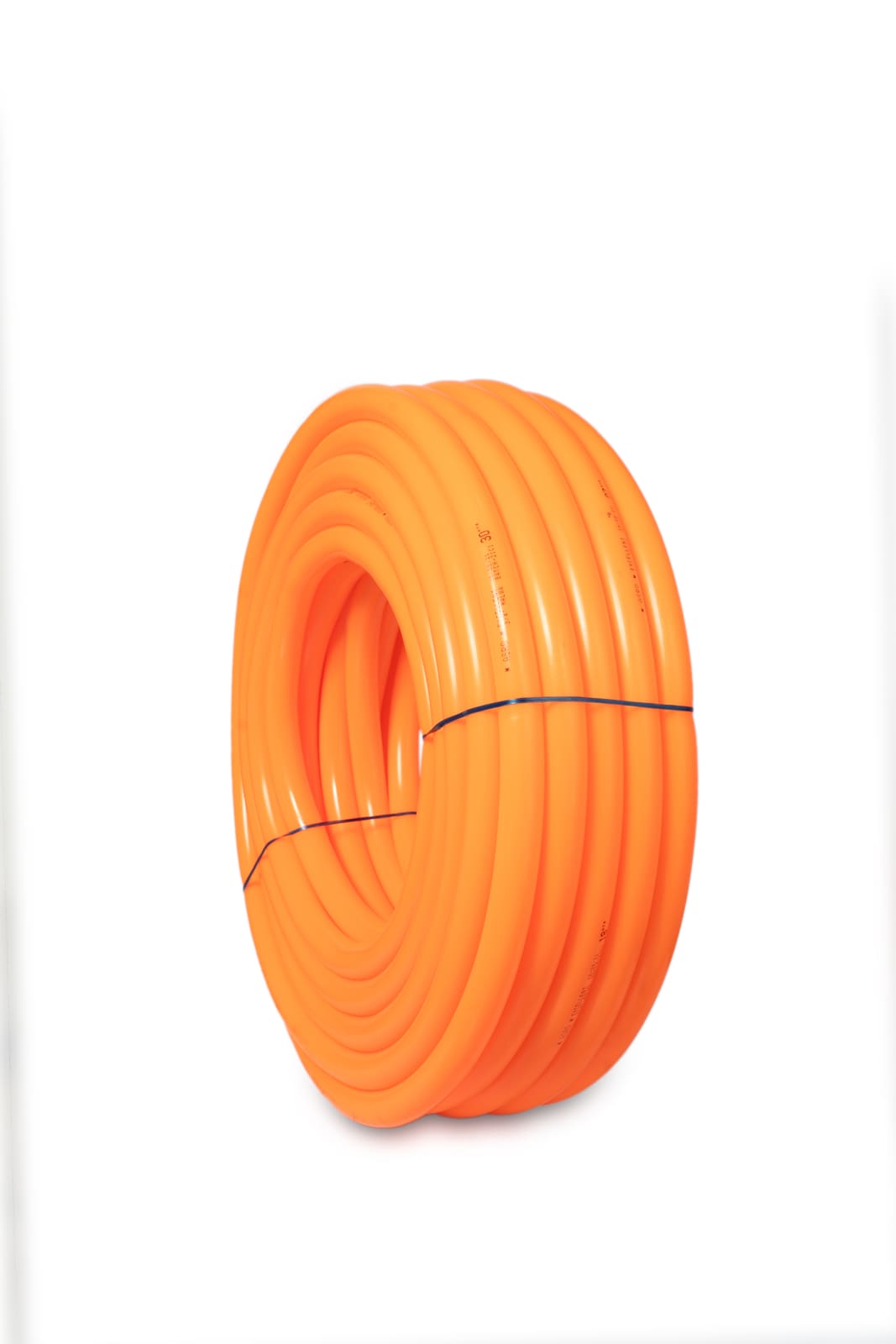
Explore ASRO’s widest range of garden and braided hoses — Premium, Standard, and ECO series for domestic, commercial, construction, and industrial water transportation.
Learn More Buy now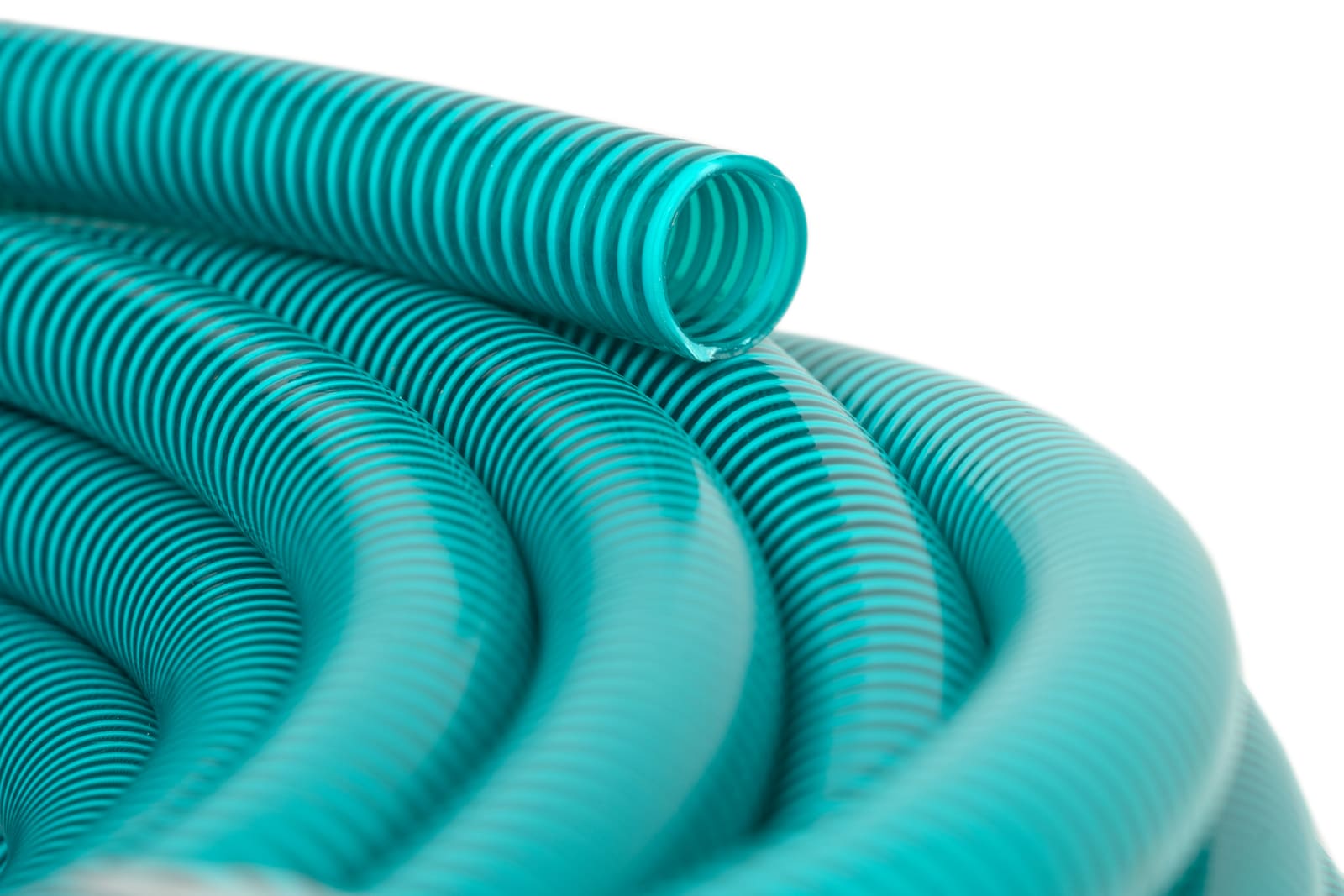
Flexible suction and duct hoses for pumps, industry, and material handling — corrugated constructions across multiple sizes.
Learn More Buy now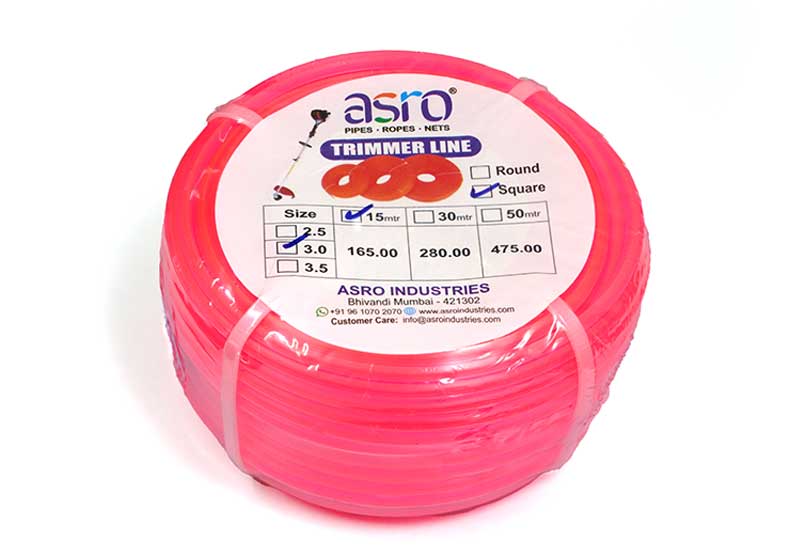
ASRO Trimmer Line range — nylon, co-polymer, and metal cutting lines, plus Electrical Line and PET Crop Supporting Wire for utility and agriculture.
Learn More Buy now